Understanding Polo Rules: A Player's Reference
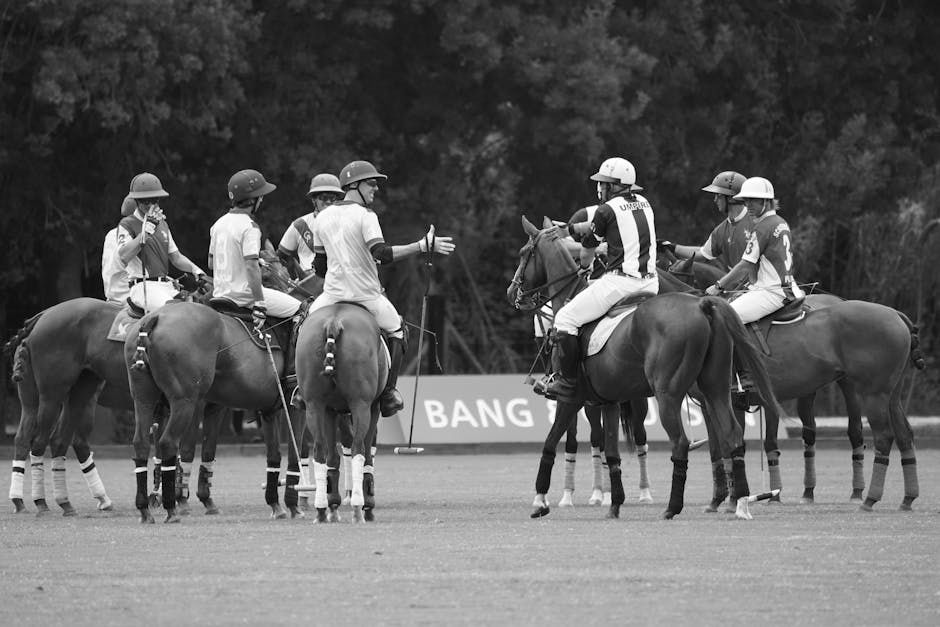
Polo has a comprehensive set of rules designed to ensure fair play and player safety. Understanding these regulations is essential whether you're playing casually or competitively.
Match Structure
A standard polo match consists of four chukkas (periods) lasting seven-and-a-half minutes each of actual play. Higher levels may include six chukkas. Intervals of three minutes separate chukkas, allowing players to switch ponies and recover. The team with the highest score after all chukkas wins.
Scoring
Goals are scored when the ball passes between the goalposts, regardless of whether it was hit by a player or a pony. A goal is worth one point. There's no distinction between goals scored in different ways—all count equally.
The Line of the Ball
One of polo's most fundamental concepts is the "line of the ball." The player who strikes the ball establishes a line extending in the direction the ball travels. Other players must not cross this line without giving way. This rule prevents collisions and maintains fair play.
Common Fouls
Fouls occur when players violate rules. Common infractions include crossing the line of the ball, riding off (checking) an opponent unfairly, hitting the ball more than once in succession, and throwing the mallet. Fouls result in free hits for the opposing team from designated spots on the field.
Dangerous Play
Certain actions are prohibited because they endanger players or ponies. These include hitting the ball on the off-side (wrong side) of the pony, playing the ball within one horse-length of the sideboards, and excessive roughness. Dangerous play can result in penalties or temporary suspension from play.
Ride-Off Rules
Checking or "riding off" an opponent is a legitimate defensive tactic—pushing another player's pony sideways to prevent them from reaching the ball. However, this must be done fairly; excessive force or dangerous angles constitute fouls.
Substitutions and Injury
Players can be substituted between chukkas. If a player is injured during play, a substitute may enter after the next stoppage. Ponies can be changed between chukkas, and many players rotate through several mounts during a match.
Penalty Hits
Fouls result in free hits from various spots depending on the infraction's location and severity. A "30-yard" is awarded for fouls in open play, whilst "60-yard" and "penalty" hits come from specific yard lines for more serious infractions.
Umpires and Officials
Two mounted umpires oversee play, with a referee available to settle disputes. Their decisions are final, and players must accept their rulings respectfully.
Learning these rules takes time, but understanding the fundamentals allows you to play safely and enjoyably. Watch matches, ask experienced players, and don't hesitate to ask umpires for clarification during play.