Polo Fitness: Training Your Body for the Sport
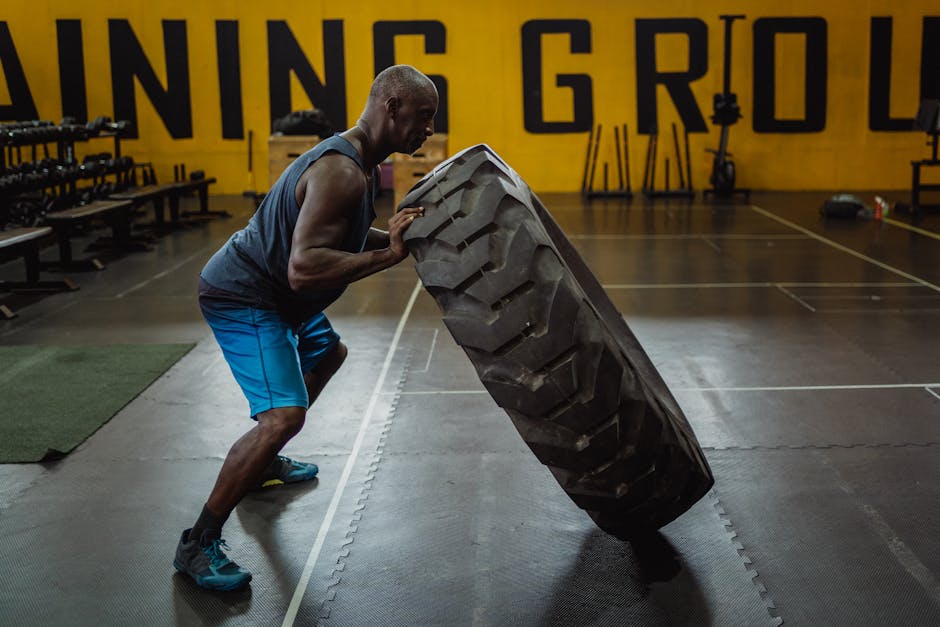
Polo is deceptively demanding physically. Many newcomers underestimate the fitness required, only to discover mid-match that they lack the stamina and strength needed. Proper training significantly improves your performance and reduces injury risk.
Core Strength and Stability
Your core is crucial in polo. You must maintain balance whilst swinging a mallet, absorbing impacts from other riders, and controlling your pony with subtle movements. Planks, Pilates, and rotational exercises build the core stability essential for effective play. Include exercises targeting your obliques and lower back.
Leg Strength
Strong legs keep you secure in the saddle during quick turns and aggressive riding. Squats, lunges, and leg presses develop the quadriceps and glutes needed for stability. Single-leg exercises improve balance and address strength imbalances.
Cardiovascular Fitness
A single chukka is genuinely exhausting. High-intensity interval training (HIIT), running, and cycling build the cardiovascular capacity needed to maintain performance throughout matches. Many polo players incorporate both steady-state and interval training into their routines.
Flexibility and Mobility
Tight muscles increase injury risk and limit your range of motion. Regular stretching and yoga improve flexibility, particularly in your hips, shoulders, and lower back. Better mobility translates to more fluid movements and reduced strain.
Upper Body and Grip Strength
Wielding a mallet whilst riding demands significant upper body control. Strengthen your shoulders, arms, and wrists through targeted exercises. Grip strength is particularly important—your hands must remain stable despite impact and movement.
Balance and Proprioception
Exercises that challenge your balance—like single-leg stands, balance boards, and stability ball work—improve proprioception (body awareness). Better balance translates directly to improved horsemanship and mallet control.
Sport-Specific Training
Beyond general fitness, practice swinging movements off the pony. Rotation exercises mimicking your swing motion prepare your body for the specific demands of polo. Some players use resistance training to simulate the effort of striking a ball.
Injury Prevention
Strengthening stabilizer muscles around joints like your shoulders, knees, and ankles reduces injury risk. Don't neglect often-overlooked areas—strong ankles and stable knees prevent many common polo injuries.
Training Schedule
Dedicate at least three to four days weekly to fitness training. Include strength work twice weekly, cardiovascular training twice weekly, and flexibility work daily. Adjust intensity based on your match schedule.
Working with Professionals
Consider consulting a sports physiotherapist or trainer experienced with polo players. They can identify your specific weaknesses and design targeted programmes addressing your individual needs.
Consistent fitness training improves your enjoyment and performance significantly. The fitter you are, the longer you maintain effectiveness during matches and the better you can execute your skills under fatigue.