Essential Polo Equipment: Building Your Kit
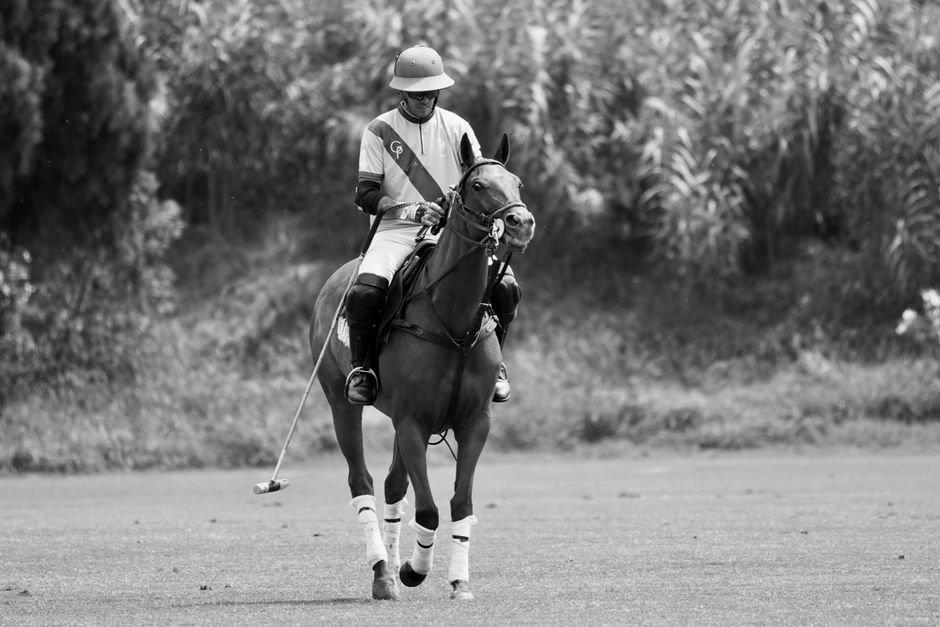
Playing polo requires specific equipment designed for safety and performance. Whether you're outfitting yourself for the first time or upgrading, understanding each component helps you make informed purchases.
The Mallet
Your mallet is your primary tool. Polo mallets typically weigh between 400 and 500 grams with heads made from bamboo or composite materials. The shaft is usually ash or fibreglass, ranging from 49 to 53 inches long. Beginners often use slightly shorter, lighter mallets for easier handling. Quality matters—a well-balanced mallet improves accuracy and reduces fatigue.
Protective Headgear
A safety helmet is non-negotiable. Modern polo helmets feature reinforced construction and often include integrated faceguards or separate eye protection. Your helmet must meet current safety standards and fit properly. Many players also wear additional eyewear to protect against dust and flying balls.
Body Protection
Whilst not universally required, many players wear chest protectors and arm guards. These aren't mandatory in all circumstances, but they offer valuable protection against impacts and falls. Knee guards and shin protectors are particularly useful for beginners who may experience occasional tumbles.
Riding Boots and Clothing
Specialized polo boots provide ankle support and grip in the stirrup. They're typically black leather, reaching just below the knee. Polo shirts are traditionally white, though club colours are sometimes worn. Jodhpurs or specialized riding trousers are essential, along with a polo belt. Gloves improve grip and protect your hands.
The Saddle
A polo saddle differs from standard English saddles, featuring a deeper seat and additional D-rings for equipment attachment. Quality saddles are essential for comfort during chukkas and proper weight distribution for your pony.
Additional Accessories
You'll need a bridle suitable for polo, typically featuring a snaffle bit. Martingales help control head position. A whip assists with pony control. Bandages or boots protect your pony's legs during play.
Budgeting for Your Kit
Quality equipment requires investment. Expect to spend £200-400 on a decent mallet, £150-300 on a helmet, and several hundred pounds on riding clothing and boots. Saddles can cost £500-1,500 or more. Many beginners borrow or hire equipment initially whilst building their complete kit.
Maintenance and Care
Proper equipment care extends its lifespan. Clean and store your gear appropriately, inspect regularly for damage, and replace worn items promptly. Well-maintained equipment performs better and lasts longer.
Investing in quality equipment from the start ensures safety and enhances your playing experience. Start with essentials and gradually expand your kit as your skills develop.